
In the field
Our work
Concrete action to protect great apes and their forest, carried out with the rangers and the communities living around parks and reserves.
The forest first
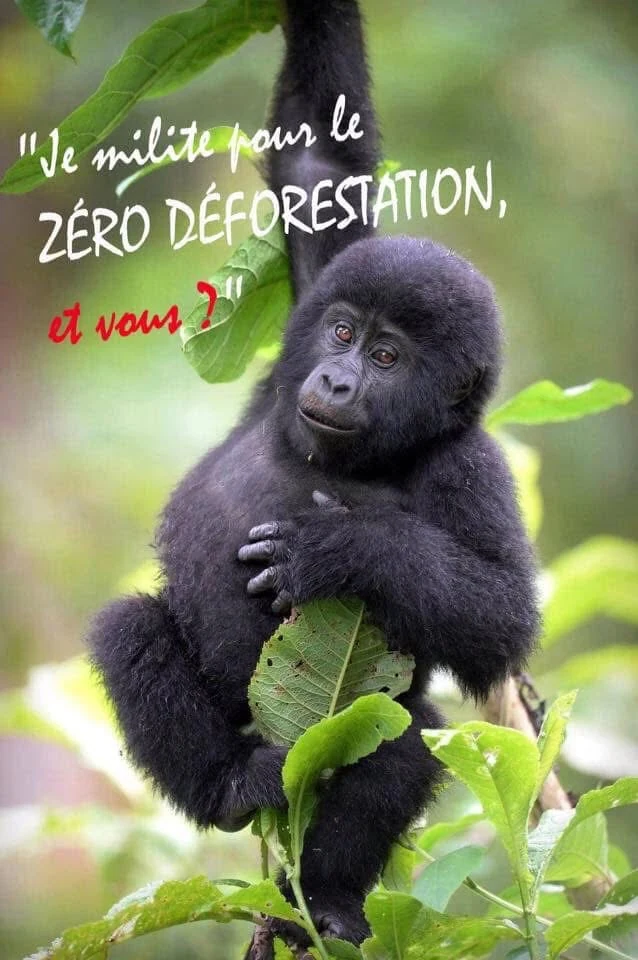
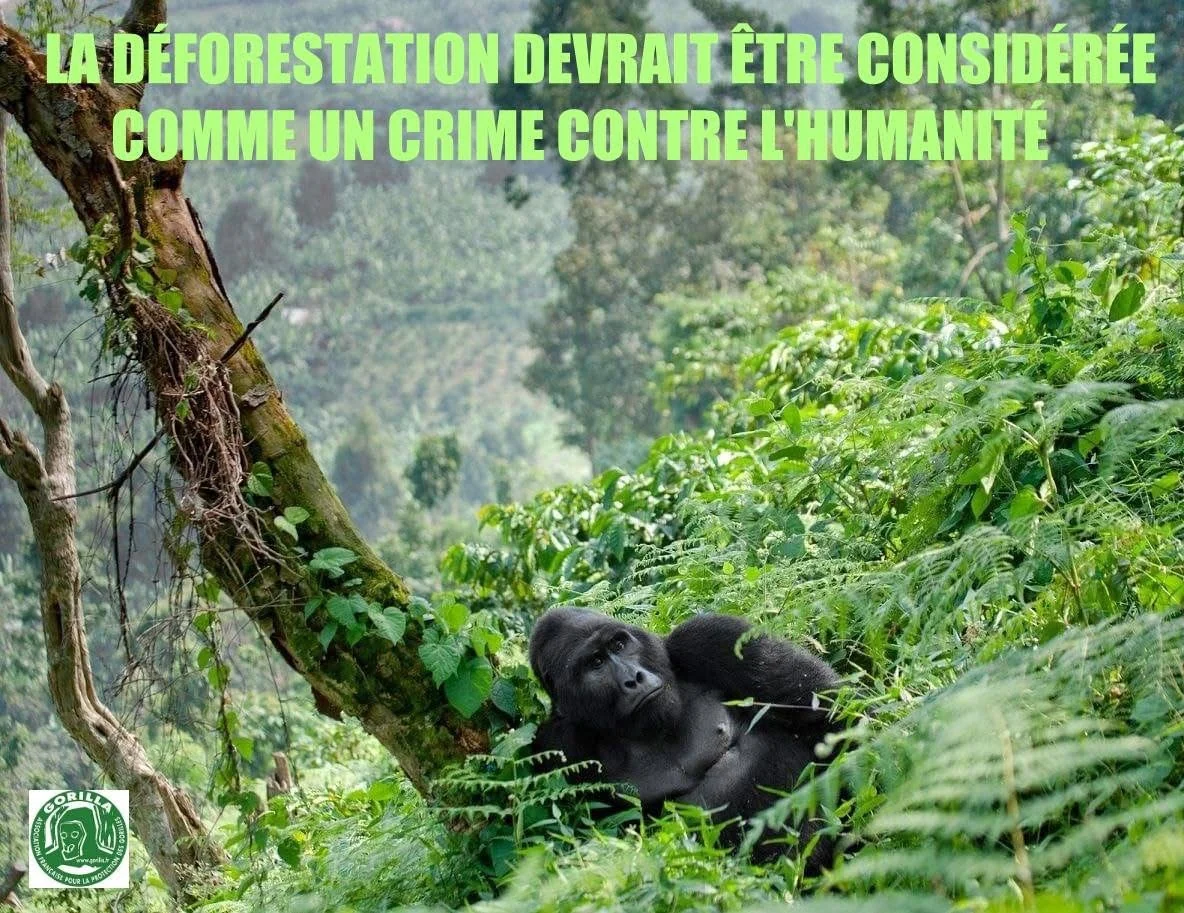
The vast majority of primates live in tropical forests. The greatest threat to their future is not hunting or capture: it is, by far, the destruction of their habitat. Humans are behind their decline at every turn. Burned for farming or livestock, cut for timber or for charcoal for household fires (cooking or heating), felled without restraint by industrial logging, or drowned by gigantic hydroelectric dams, these forests are disappearing worldwide at the frightening rate of 10 to 20 million hectares a year. That is half the area of Italy!
If destruction continues at this pace, most of the forests of West Africa, Central and South America (Amazonia) and Southeast Asia (the Malay Peninsula and Indonesia) will have disappeared before 2030, and the great apes with them. People are not only cutting down trees: the reckless destruction of forests goes hand in hand with illegal trade. Every edible animal is killed, including protected species such as chimpanzees, gorillas and orangutans. Along the new roads that bleed the forests, workers' camps and towns are supplied with "bushmeat".
Destroying the forest means wiping out thousands of animal and plant species, eliminating biodiversity and letting "civilization" reach the heart of still untouched nature.
Tropical timber is found almost everywhere and, sadly, in nearly all our homes. Furniture, windows, plywood: countless everyday products are made of tropical wood. To save the rainforest and the great apes, check where the raw material of any wooden product you plan to buy comes from, and stop buying tropical timber.
A planet without apes will also be a planet without rainforests.
When you realize the value of all life, you dwell less on what is past and concentrate more on the preservation of the future.
Supporting the fight against poaching
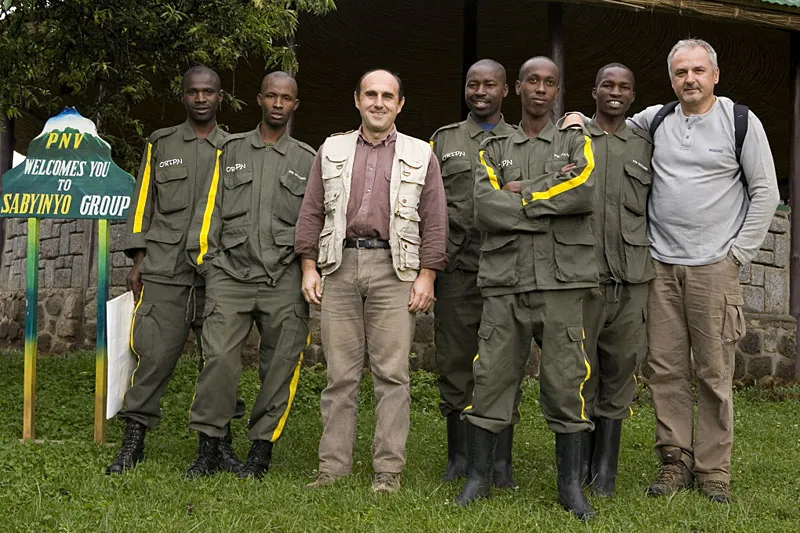
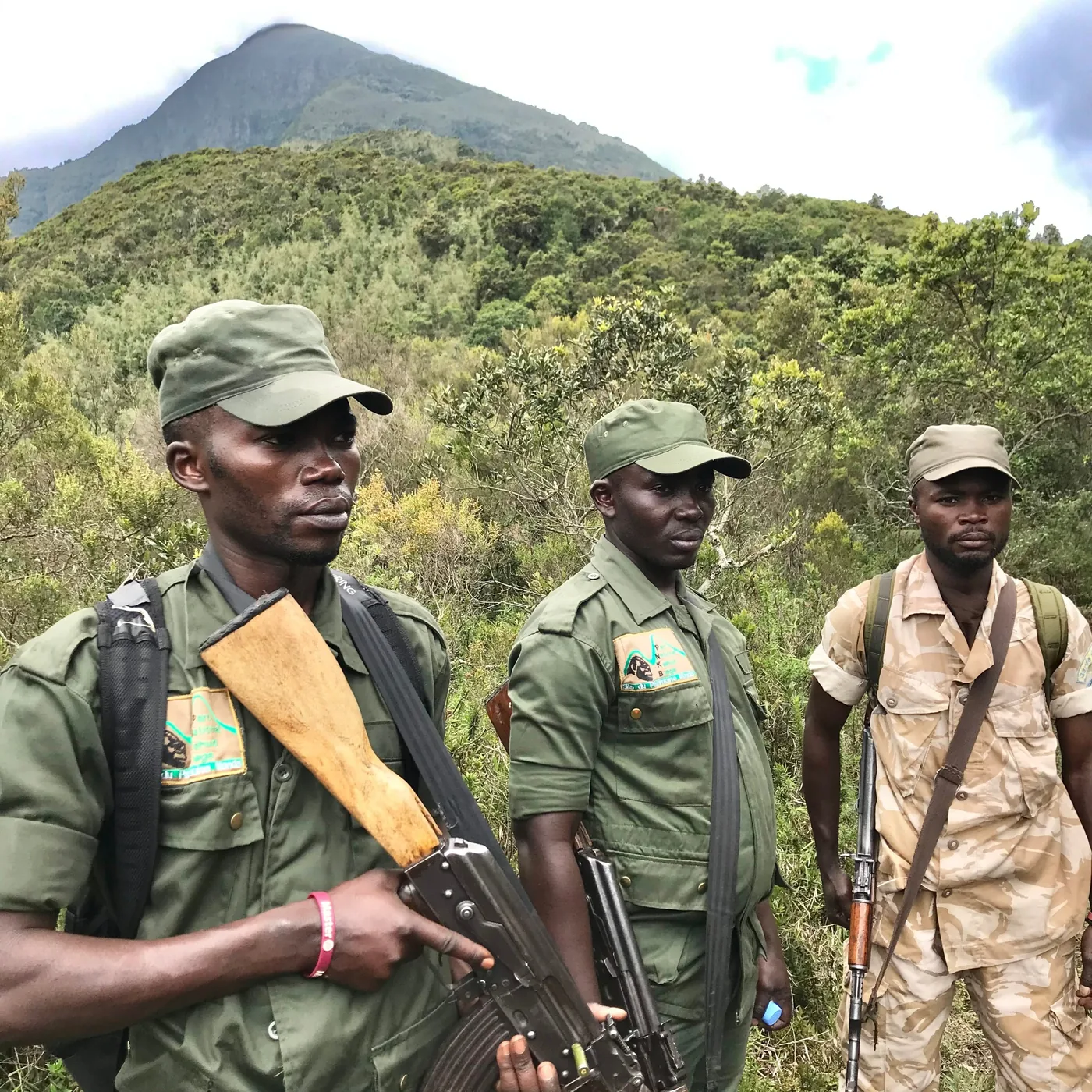
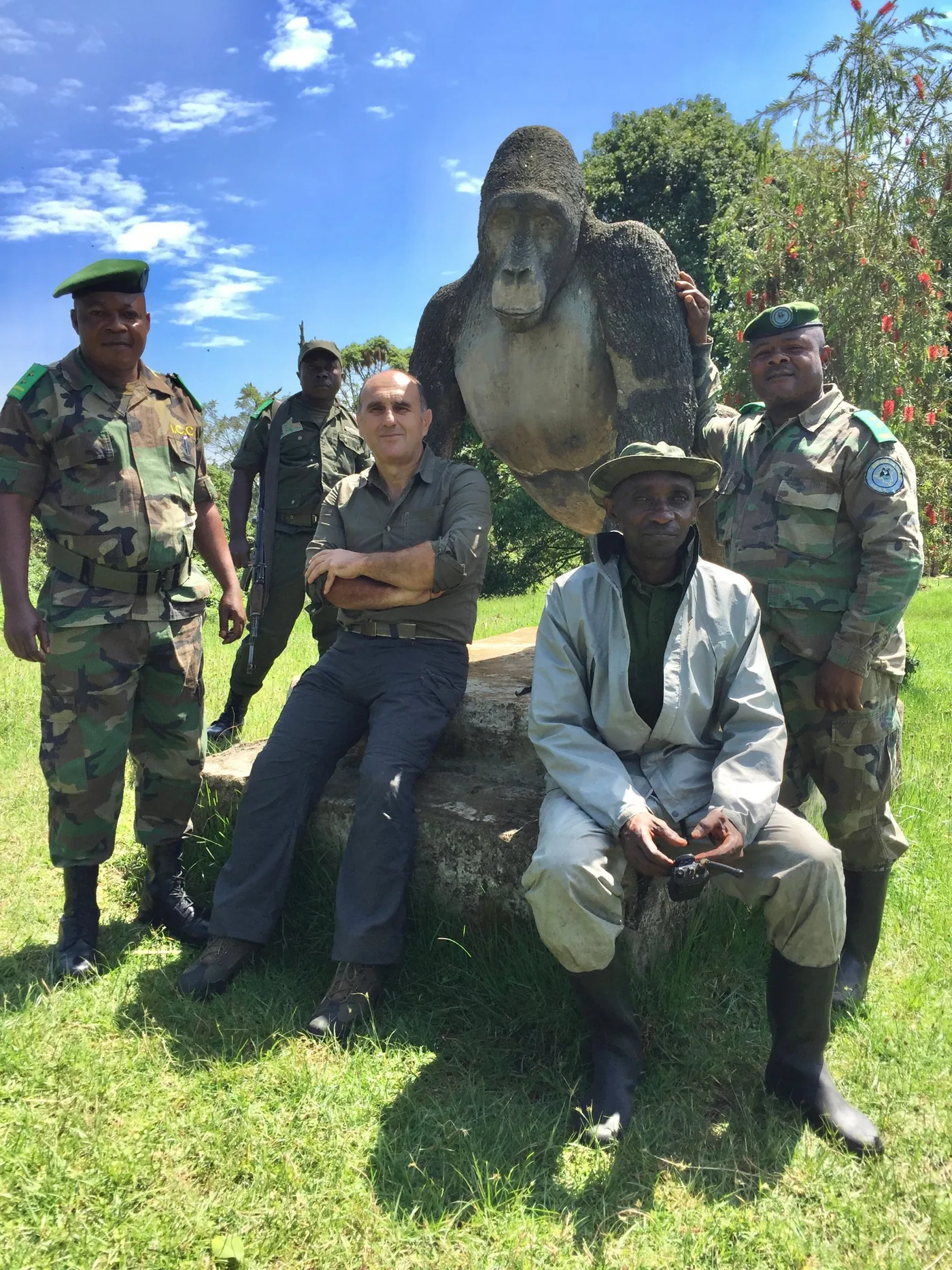
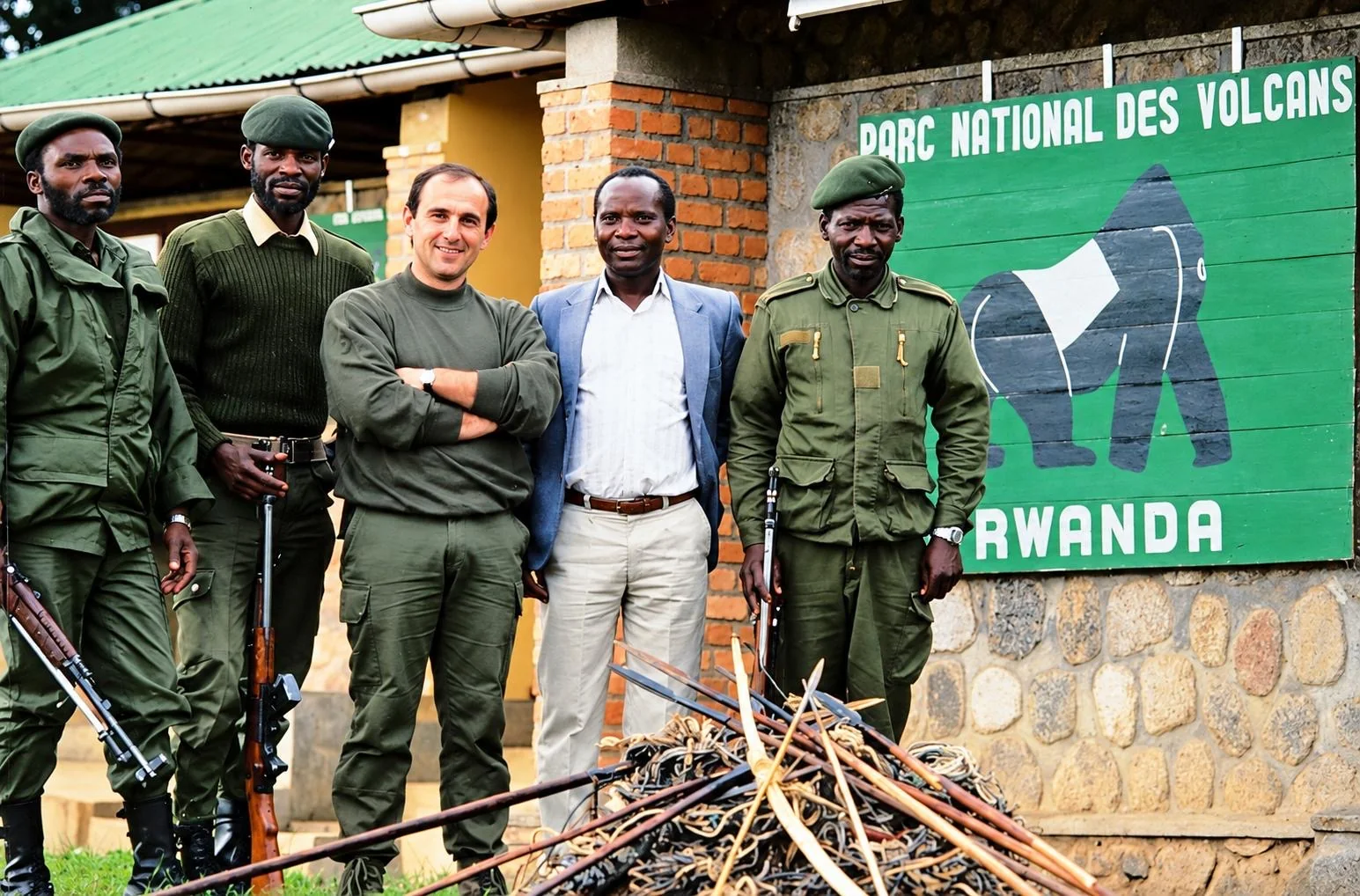
National parks were created to protect wildlife and plants. Yet almost everywhere, great ape populations are declining because of poaching and the degradation of their habitat. Supporting anti-poaching patrols is therefore essential: active surveillance of protected areas, with the removal of snares and the fight against organized crime, is vital to preserve biodiversity, ecological balance and public health.
Gorilla supports rangers in their mission to monitor and protect protected areas by funding individual and collective equipment, granting bonuses and reporting to the relevant authorities any suspected poaching, illegal captivity or shooting of protected species. Giving rangers the means to carry out their difficult mission remains the best way to secure the future of these territories of exceptional biodiversity.
Working with local communities
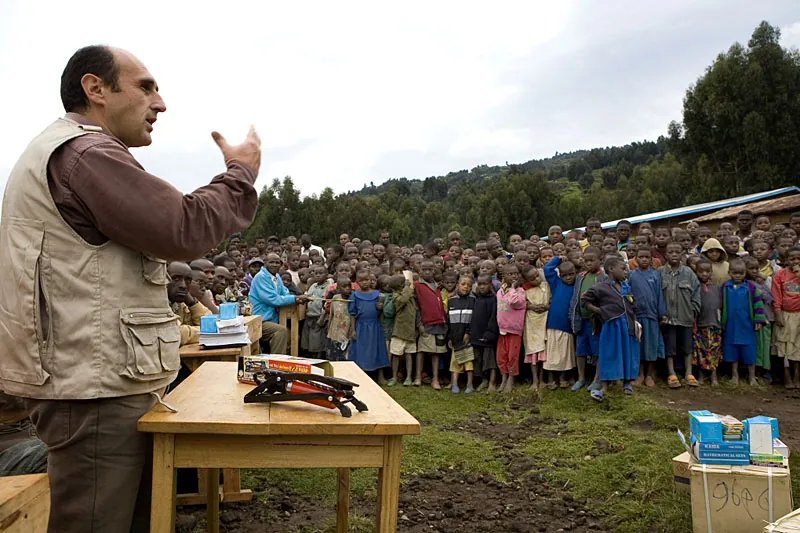
Nothing can be achieved without the support of the communities living on the edge of national parks and reserves. Raising children's awareness of the environment, and through them their parents', is a major challenge. Helping them discover the nature around them and teaching them to respect wildlife enriches them. Around the national parks of Rwanda and the Democratic Republic of the Congo, there are dozens of schools and thousands of children who need support.
Gorilla encourages the creation of Nature clubs, which help children become aware of their environment and of the need to preserve the forest, the natural habitat of great apes. This involves reading books about nature and animals, but also theatre and dance workshops, discussions and walks in the forest.
The goal: that everywhere, people live in harmony with nature and its wildlife.