
Land of volcanoes
Rwanda
It was in Rwanda, on the slopes of the Virunga volcanoes, that Dian Fossey devoted eighteen years of her life to mountain gorillas.
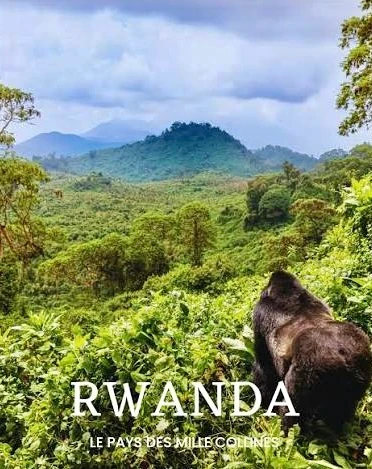
In Dian Fossey's footsteps
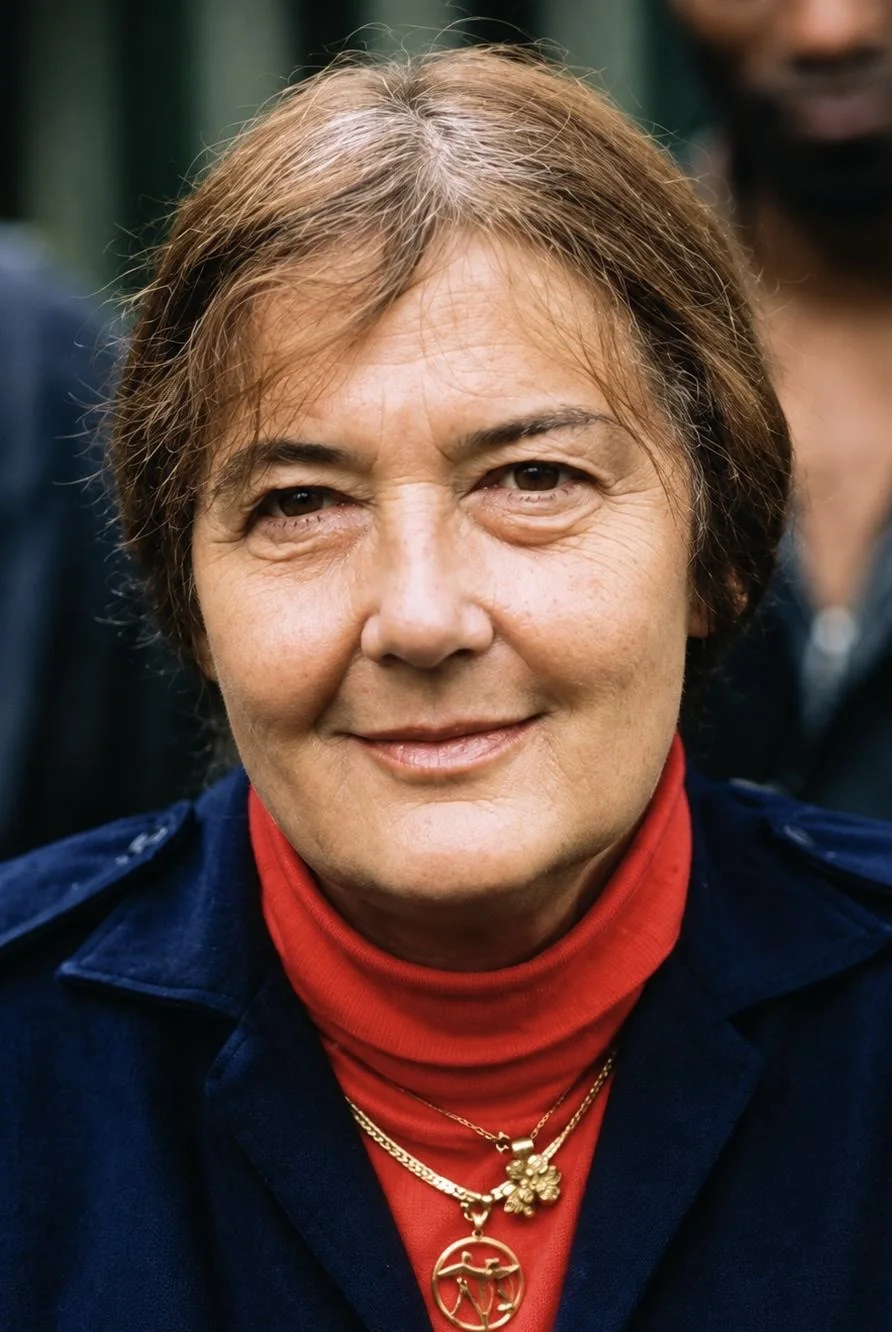
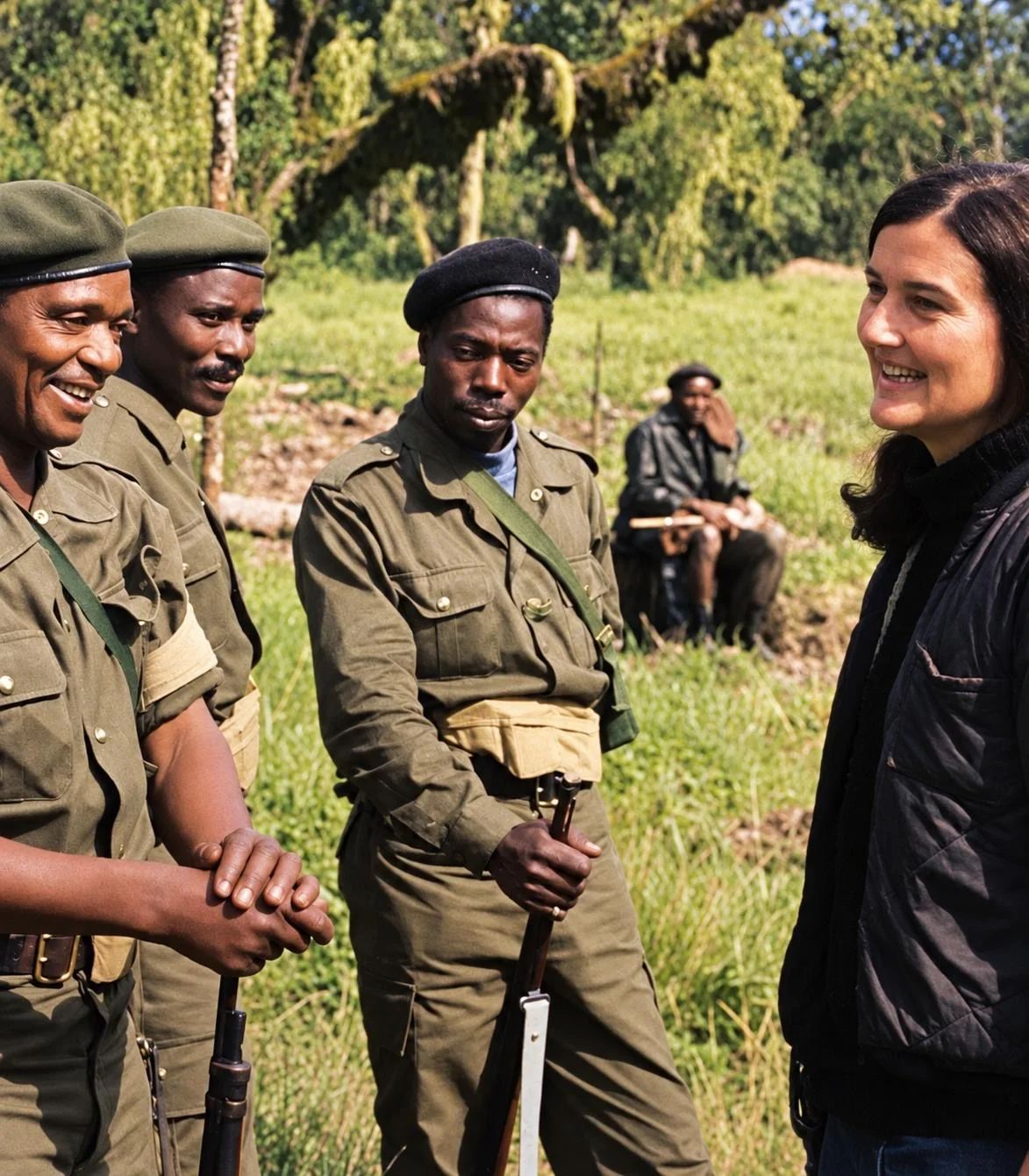
Under the guidance of the famous palaeontologist Louis Leakey, Dian Fossey began a long-term study of mountain gorilla behaviour in 1967. For nearly eighteen years, she followed several families through their wanderings, their lineage and sometimes their break-up. From the outset, she clashed with the poachers who roamed the forest, but also with herders and their cattle: she understood the urgency of the situation.
At her instigation, anti-poaching patrols were created.
The American primatologist is today the embodiment of the fight to save the gorillas, an icon of animal protection who came to Africa to study these great apes threatened with extinction.
A true legend, Dian Fossey left behind a book, Gorillas in the Mist, the testimony of a determined and passionate woman, committed body and soul to the protection of mountain gorillas, to the point of sacrificing her own life.
I shall never forget my first encounter with gorillas. Sound preceded sight. Odor preceded sound in the form of an overwhelming musky-barnyard, humanlike scent.
Volcanoes National Park
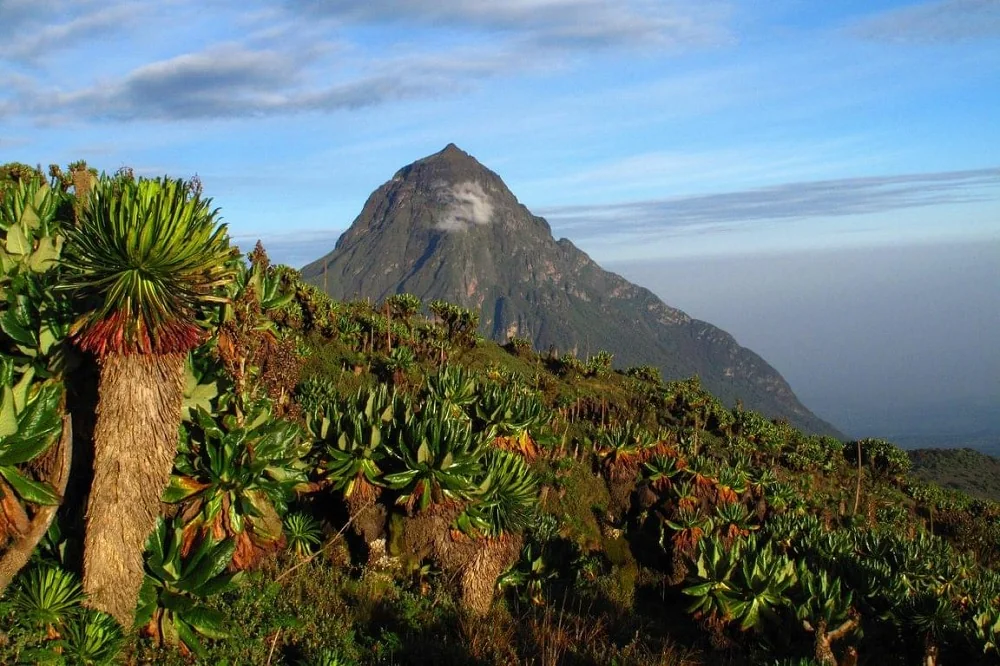
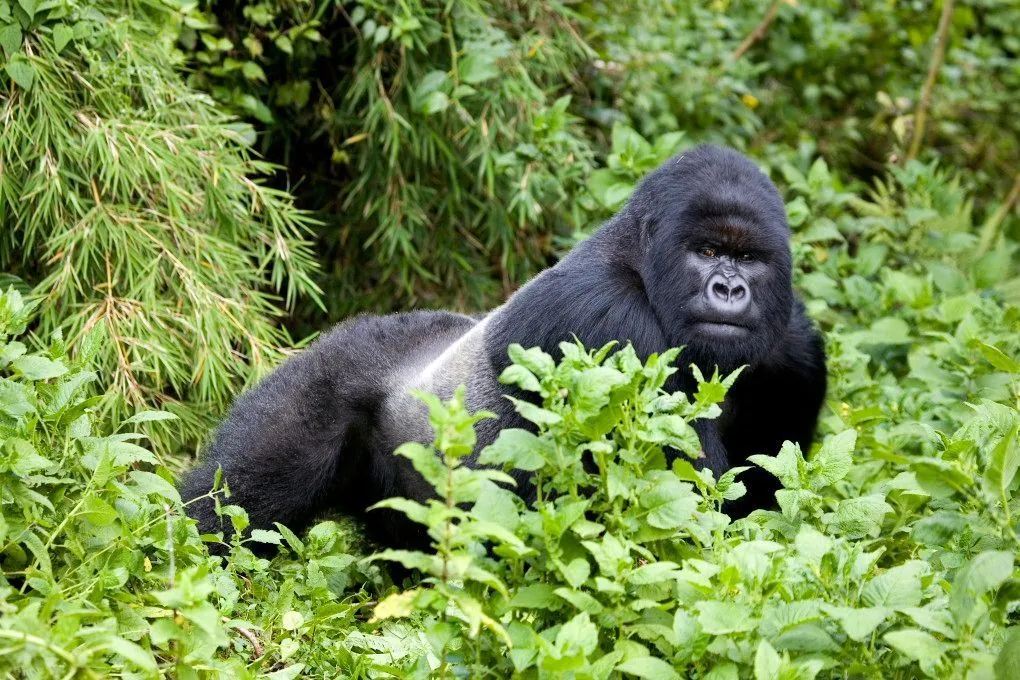
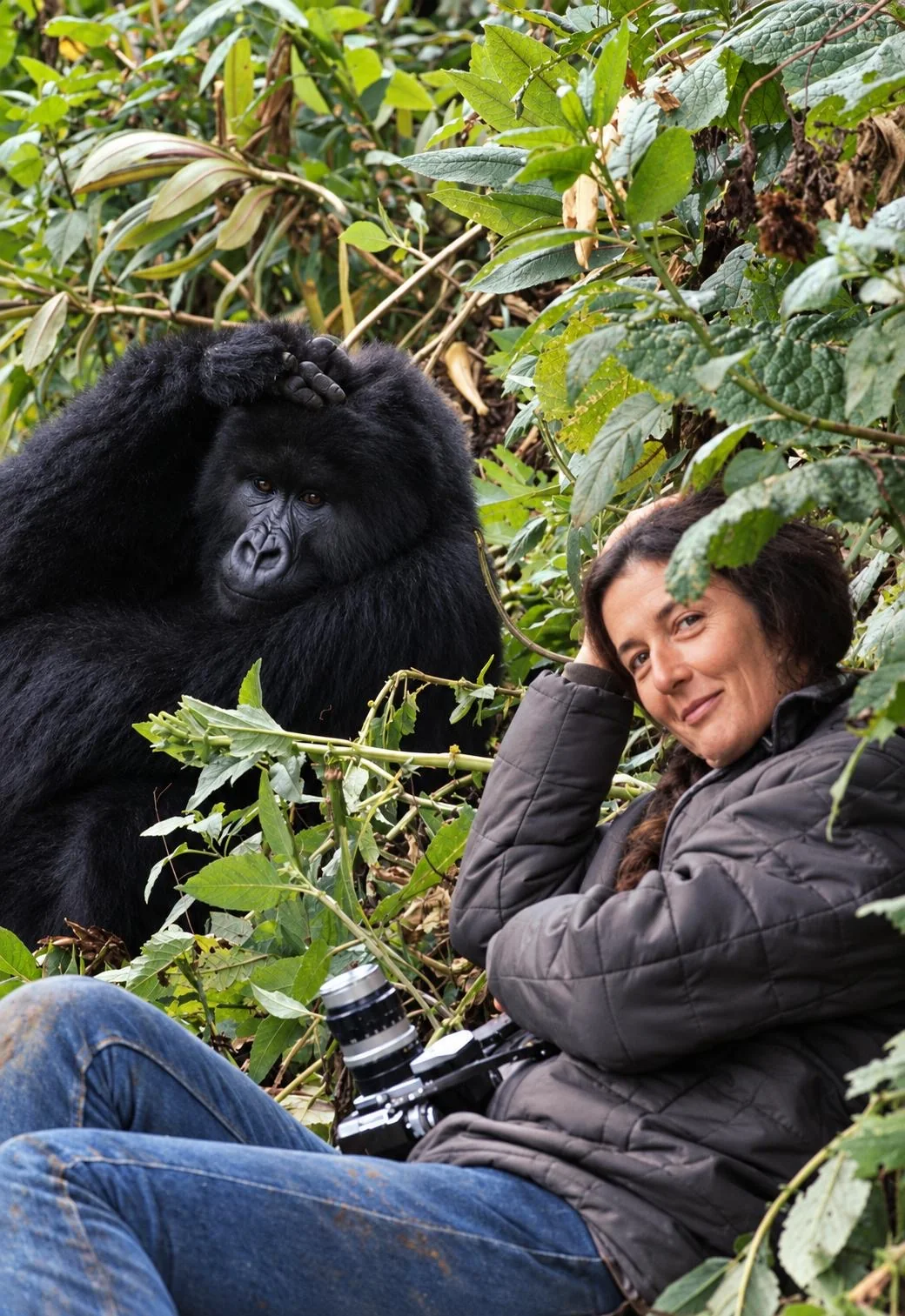
Volcanoes National Park lies in north-western Rwanda, in the Northern Province, near the town of Musanze (Ruhengeri), 120 kilometres north of Kigali, the capital (about 3 hours by road).
Created in 1925, it is the oldest national park in Africa. It is world-famous as the place where primatologist Dian Fossey carried out her research (Karisoke Research Center) and as one of the last sanctuaries of mountain gorillas.
It includes five main volcanoes: Karisimbi (the highest, at over 4,500 m), Visoke, Muhavura, Gahinga and Sabyinyo.
The park is also home to golden monkeys, buffalo, forest elephants, many species of birds, and dense montane rainforest and bamboo.
Kwita Izina, the gorilla naming ceremony
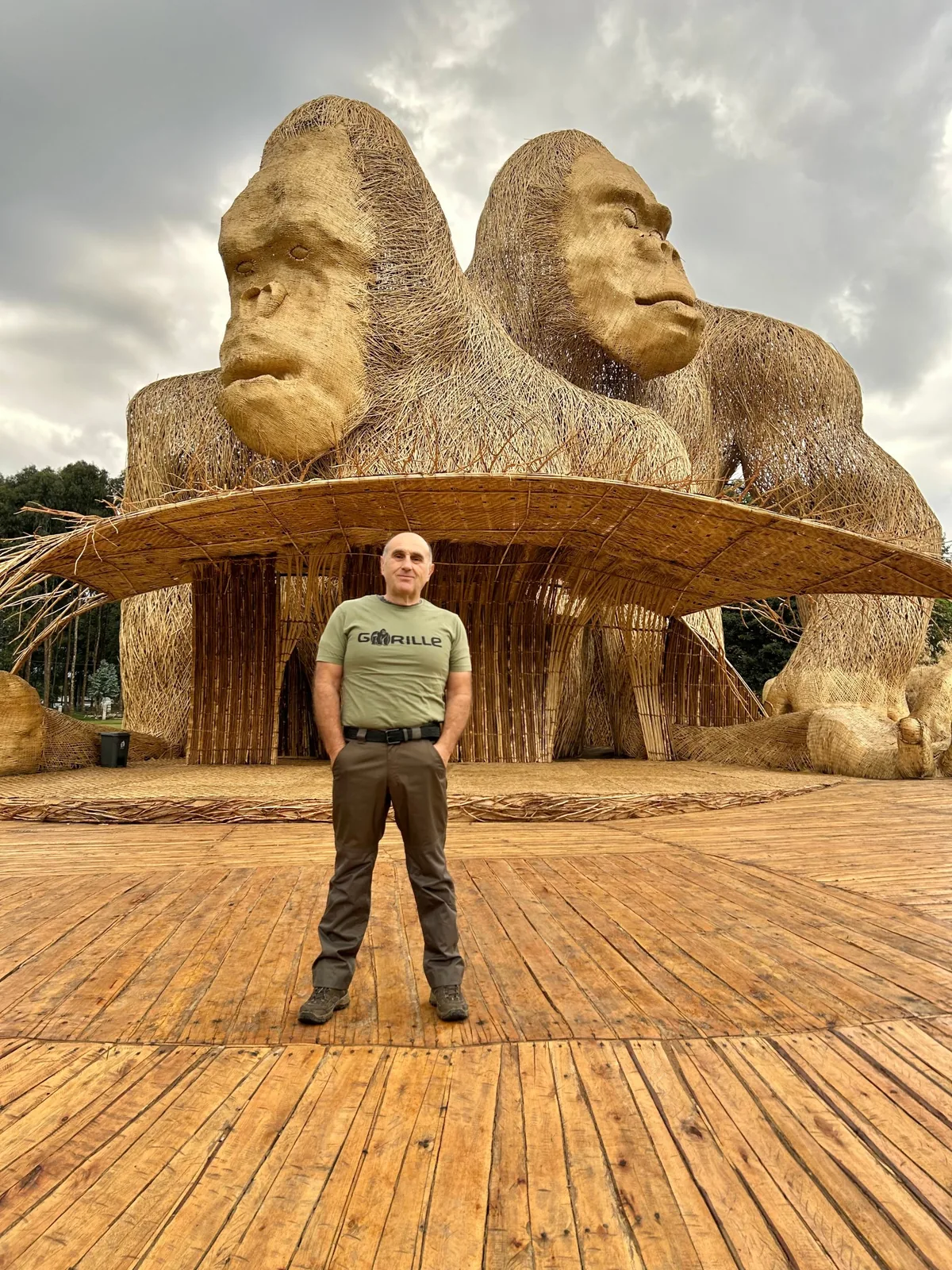
Kwita Izina is a famous ceremony at which baby mountain gorillas are given their names. Introduced in 2005 by the Rwandan government, it follows in the footsteps of primatologist Dian Fossey, who already named gorillas to make them easier to monitor. In Kinyarwanda, Kwita Izina literally means "to give a name". It is inspired by an old Rwandan custom in which families gather to present and name a newborn surrounded by loved ones.
Every year (usually in September), the baby gorillas born in Volcanoes National Park over the previous twelve months receive an official name. At the 21st edition, held on 4 September 2026 in Kinigi, 22 baby gorillas were named.
The names are given by local and international figures (athletes, artists, politicians, environmentalists) during a day of traditional Rwandan music and dance performances. The event aims to raise public awareness of mountain gorilla protection, support scientific research and involve local communities in the benefits of tourism and biodiversity conservation.
More than 1,000 mountain gorillas!
1,063
mountain gorillas in the wild · 2024 census
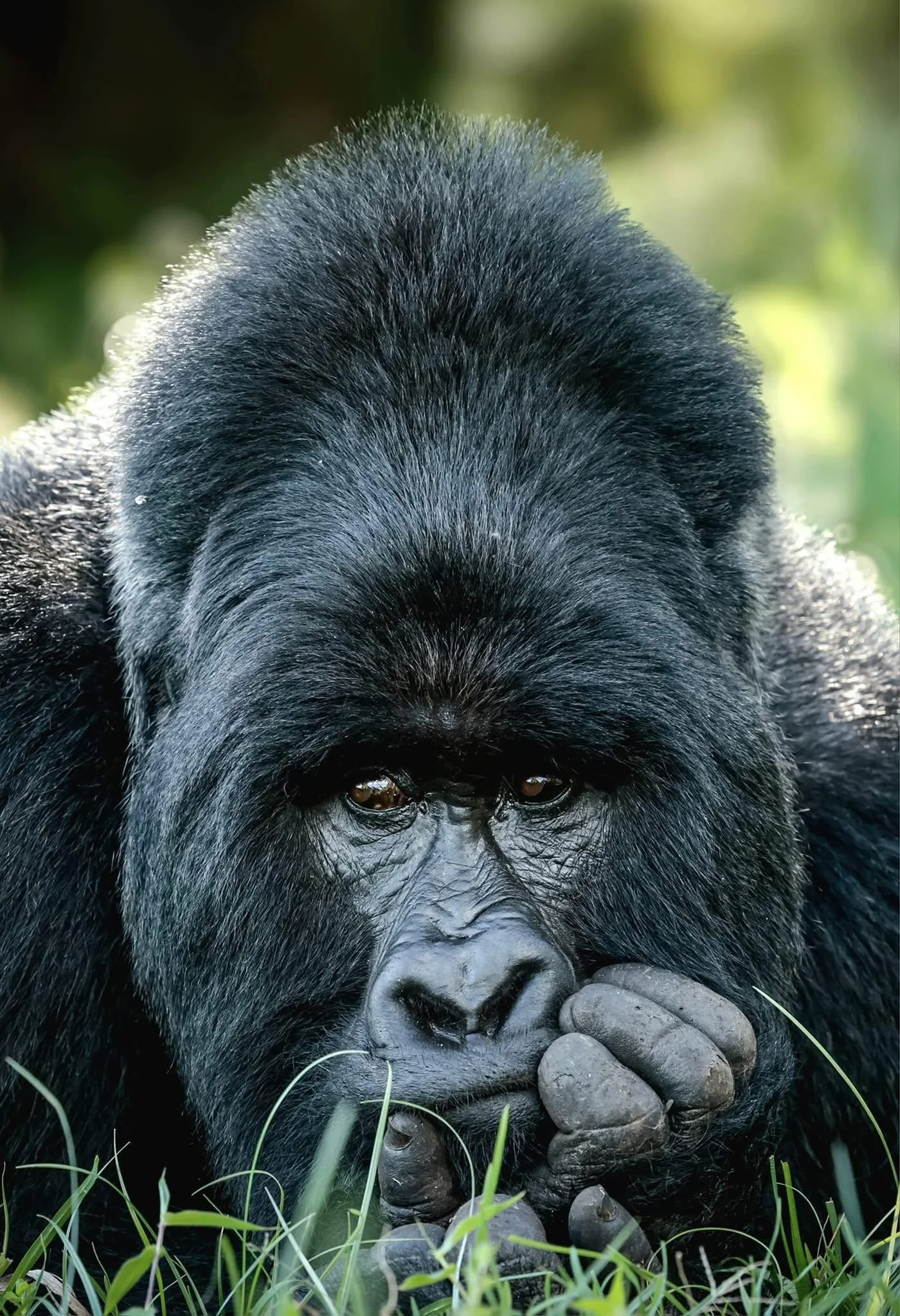
1,063 mountain gorillas. That is now their number in the wild worldwide, according to the latest census carried out in 2024. An unhoped-for figure for a species classified as "critically endangered" in the 1970s.
According to the IUCN, their status is improving. Now classified as "endangered" thanks to conservation efforts, mountain gorillas live in two regions of Central Africa, spanning three countries: the Virunga massif (shared by Rwanda, Uganda and the Democratic Republic of the Congo) and Bwindi Impenetrable Forest, in Uganda.
A curve going the right way is not that common: reason enough for great hopes for the future.