
Species profile
Gorillas
The largest and heaviest of all primates, and one of the most endangered.
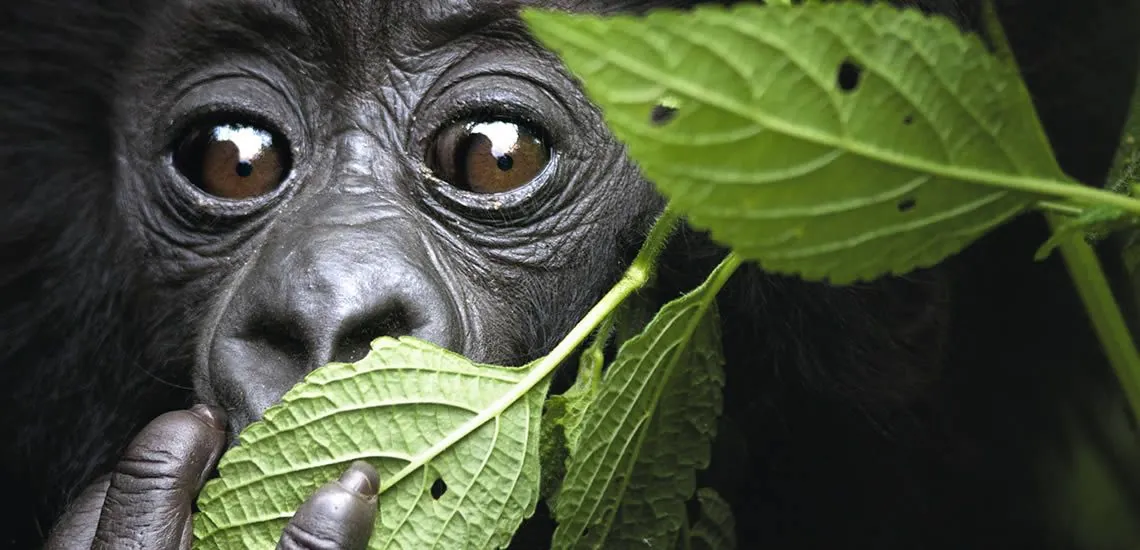
Endangered species
There are more than two hundred species of monkeys and apes. Among them, the great apes, or anthropoids (meaning "almost human"), the ones that resemble us most, are particularly fascinating. So much so that Dian Fossey once said she was certain she had crossed the barrier that separates humans from apes.
She believed that the mountain gorilla, discovered at the very beginning of the 20th century, would probably disappear in the near future if nothing was done to protect it.
There are two species of gorilla, divided into four main subspecies:
The western gorilla Gorilla gorilla
- The western lowland gorilla Gorilla gorilla gorilla
- The most widespread.
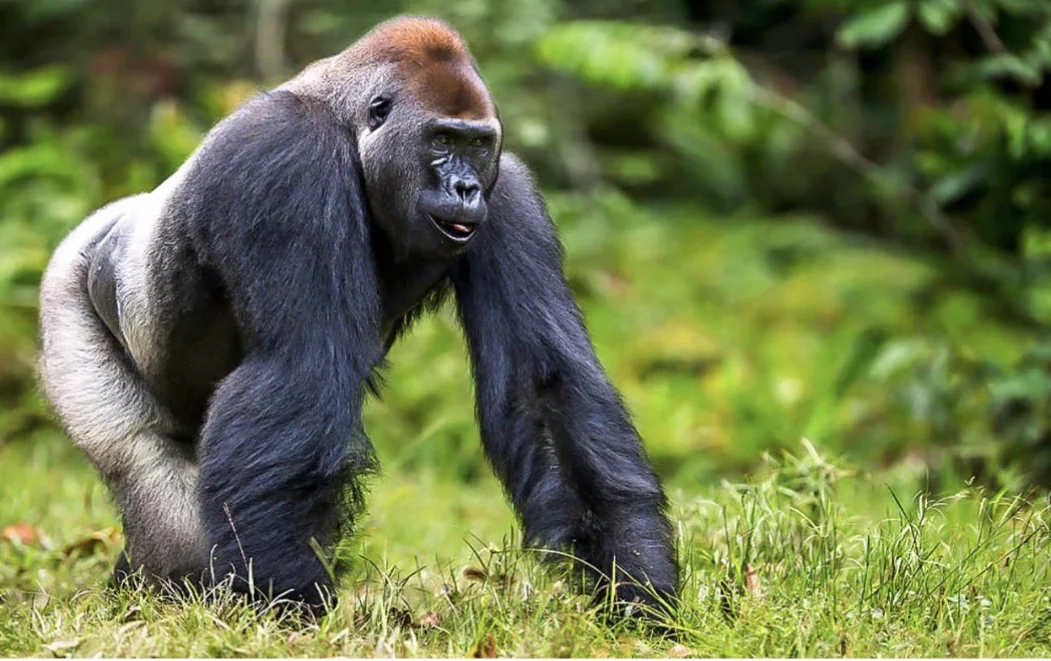
- The Cross River gorilla Gorilla gorilla diehli
- An extremely rare subspecies living on the border between Nigeria and Cameroon.
The eastern gorilla Gorilla beringei
- The eastern lowland gorilla, or Grauer's gorilla Gorilla beringei graueri
- Known as the largest.
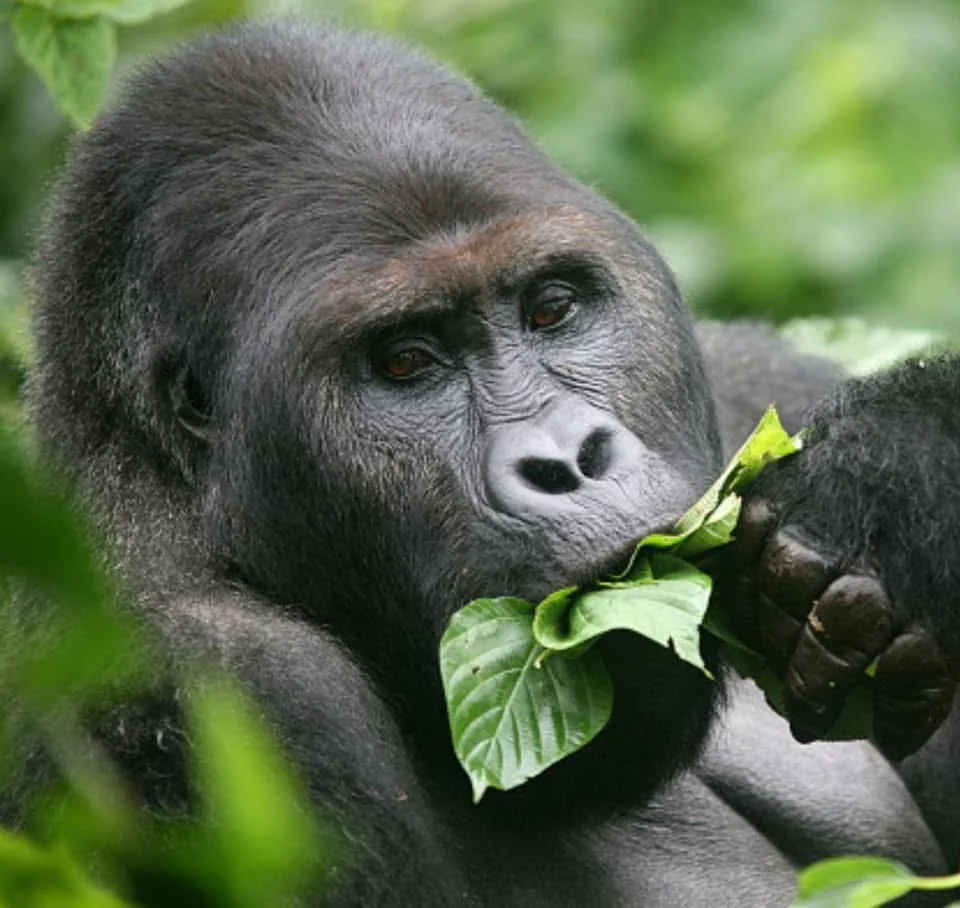
- The mountain gorilla Gorilla beringei beringei
- Recognizable by its thicker fur. It lives at altitude in the Virunga volcanoes and Bwindi Impenetrable Forest (Rwanda, Uganda, DRC).
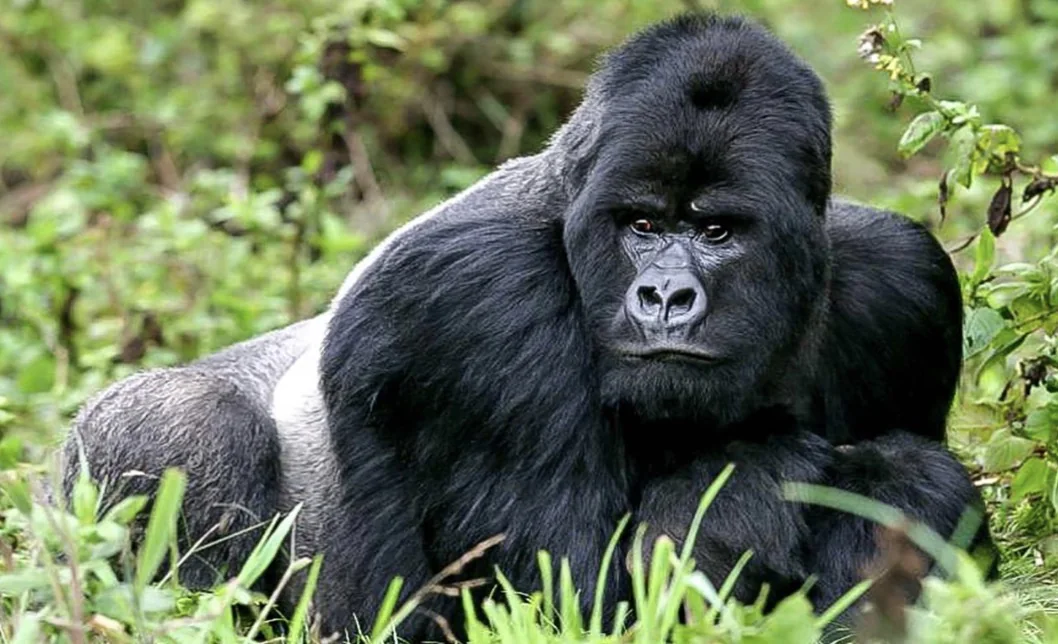
Endangered All gorilla subspecies are threatened with extinction.
Until one has loved an animal, a part of one's soul remains unawakened.
How gorillas live
Gorillas live in groups led by an adult male called a "silverback", because the hair on his back turns silver-grey at around the age of 12. Very imposing, he weighs between 150 and 220 kilos and stands about 1.50 to 1.80 metres tall. Mainly vegetarian, gorillas spend most of their time on the ground; only the youngest venture into the trees, a few metres up, to play or sleep. The make-up of the groups changes with births, deaths, arrivals and departures.
A typical family has eight or nine members. Group members can first be told apart by their size and general appearance, but it is above all the shape of the nostrils that makes it possible to recognize them: each gorilla has its own "noseprint". Females weigh less than a hundred kilos; their canines are shorter and their skull rounder than the males', as they have no sagittal crest.
Mountain gorillas follow the rhythm of the sun. Since they live close to the equator, they sleep about twelve hours. At sunrise, they can be found lying in their nests, built in the low vegetation. Each nest is used only once: gorillas are nomads who keep moving in search of food, 95% of which is plants.
How to approach gorillas

Approaching gorillas in their habitat means following a few rules:
- walk quietly;
- avoid sudden movements;
- move slowly within the group;
- do not touch the gorillas, so as not to pass on diseases;
- do not interfere with their activities;
- do not hold back the youngest, who may be curious;
- avoid staring at the gorillas: they are shy, and a steady gaze may be seen as a threat;
- walk bent over, as an upright posture frightens them;
- do not eat or smoke in their presence;
- if you need to relieve yourself, ask the guide, who will dig a hole to bury it;
- if the dominant male charges, never run away and adopt a submissive posture.
Follow these rules and you are very likely to have an unforgettable experience.