
Since 1986
About us
Founded in January 1986, the day after Dian Fossey's murder, Gorilla takes part, as directly as possible from France, in protecting gorillas and other great apes.
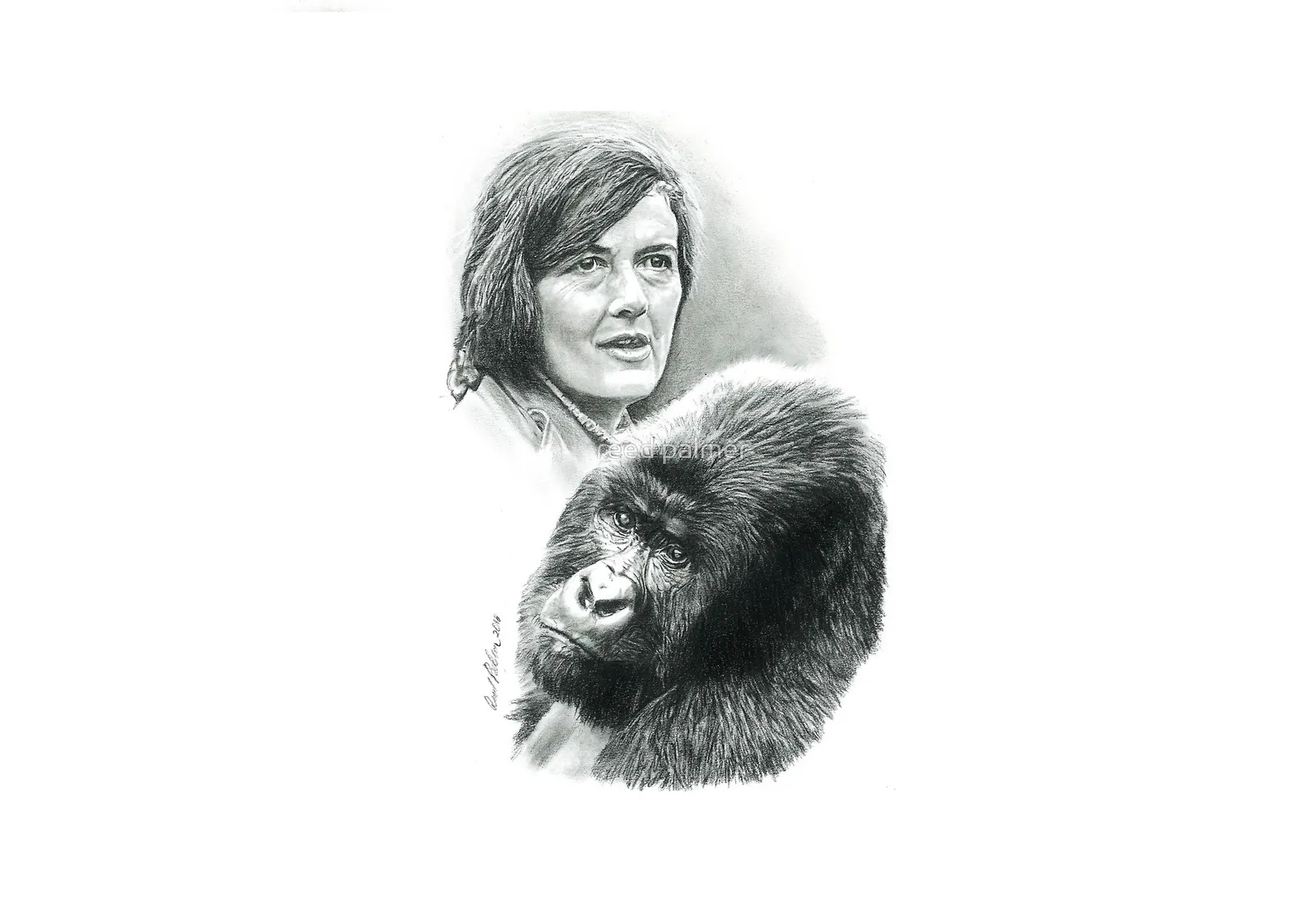
Gorilla's work consists of:
Gorillas were chosen because of the urgency of their situation. The threats facing the species are the loss of its habitat and poaching.
- funding or co-funding active conservation projects for great apes, in close collaboration with the authorities of the countries concerned;
- supporting anti-poaching patrols (purchase of equipment, bonuses…);
- protecting the natural habitat;
- informing and raising awareness among local communities (setting up Nature clubs, buying school kits, planting trees, supporting environmental radio stations…);
- supporting other great ape conservation programmes;
- seeking the truth about the circumstances of Dian Fossey's death in Rwanda.
The founder
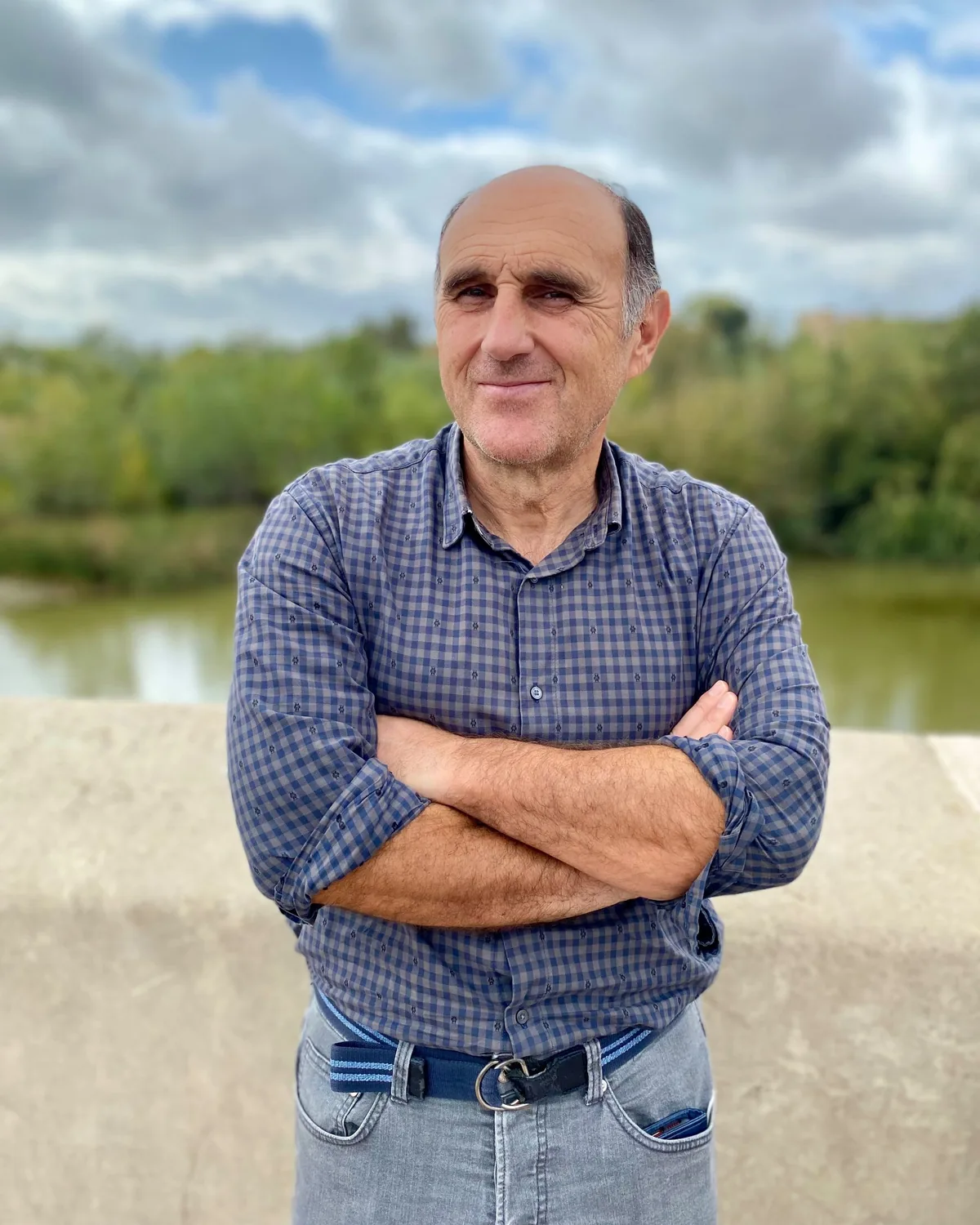
"There are some very singular cops," sang the French songwriter Georges Brassens. Fabrice Martinez, no doubt, is one of them: a man who whispers to great apes. He dreamed of being a far-off explorer and ended up joining the French national police, out of vocation. But one passion runs deep in him: gorillas!
An admirable woman, Dian Fossey, was fighting in Rwanda to save them from extinction. She was murdered, her face struck six times with a machete, on the night of 26 to 27 December 1985, in her cabin built at an altitude of 3,000 metres in the heart of Volcanoes National Park, in circumstances that have never been explained.
The very next day, Fabrice founded the Gorilla association and flew to Rwanda, where he pitched his tent at the foot of a volcano, in mountain gorilla territory.
In Africa, he is now known as the white policeman who wants to save the gorillas. But the gorillas are becoming rare, because of the people who hunt them and relentlessly destroy their natural habitat.
To this day, the former police commander has one obsession: to uncover the truth about Dian Fossey's tragic death. Who killed the famous American primatologist, and why? Forty years after the tragedy, Gorilla's founder is convinced that the truth can still come out, under certain conditions. New testimonies and a new, irrefutable piece of evidence could well reopen the investigation into Dian Fossey's death.
The investigation: the Dian Fossey case
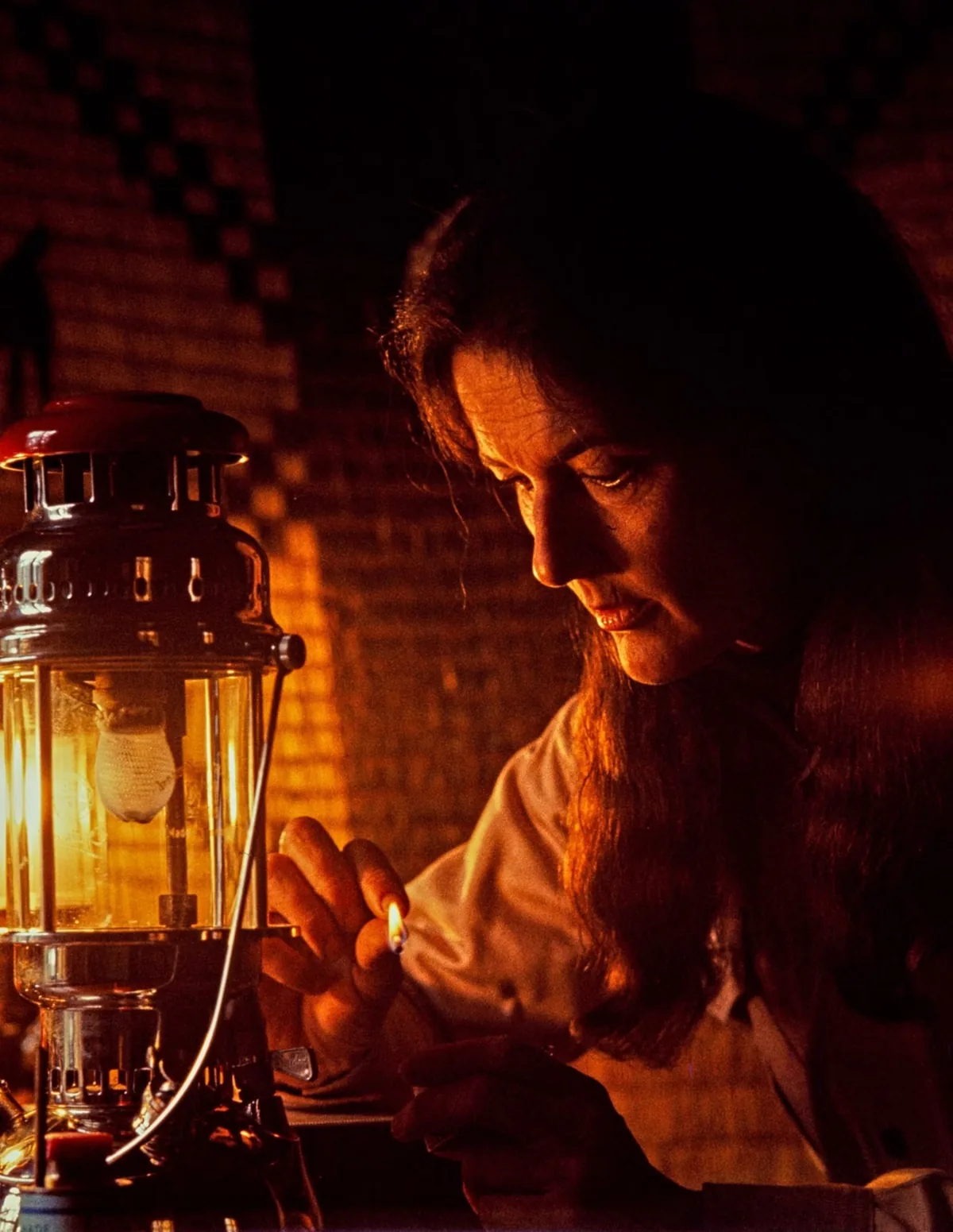
A first-hand account
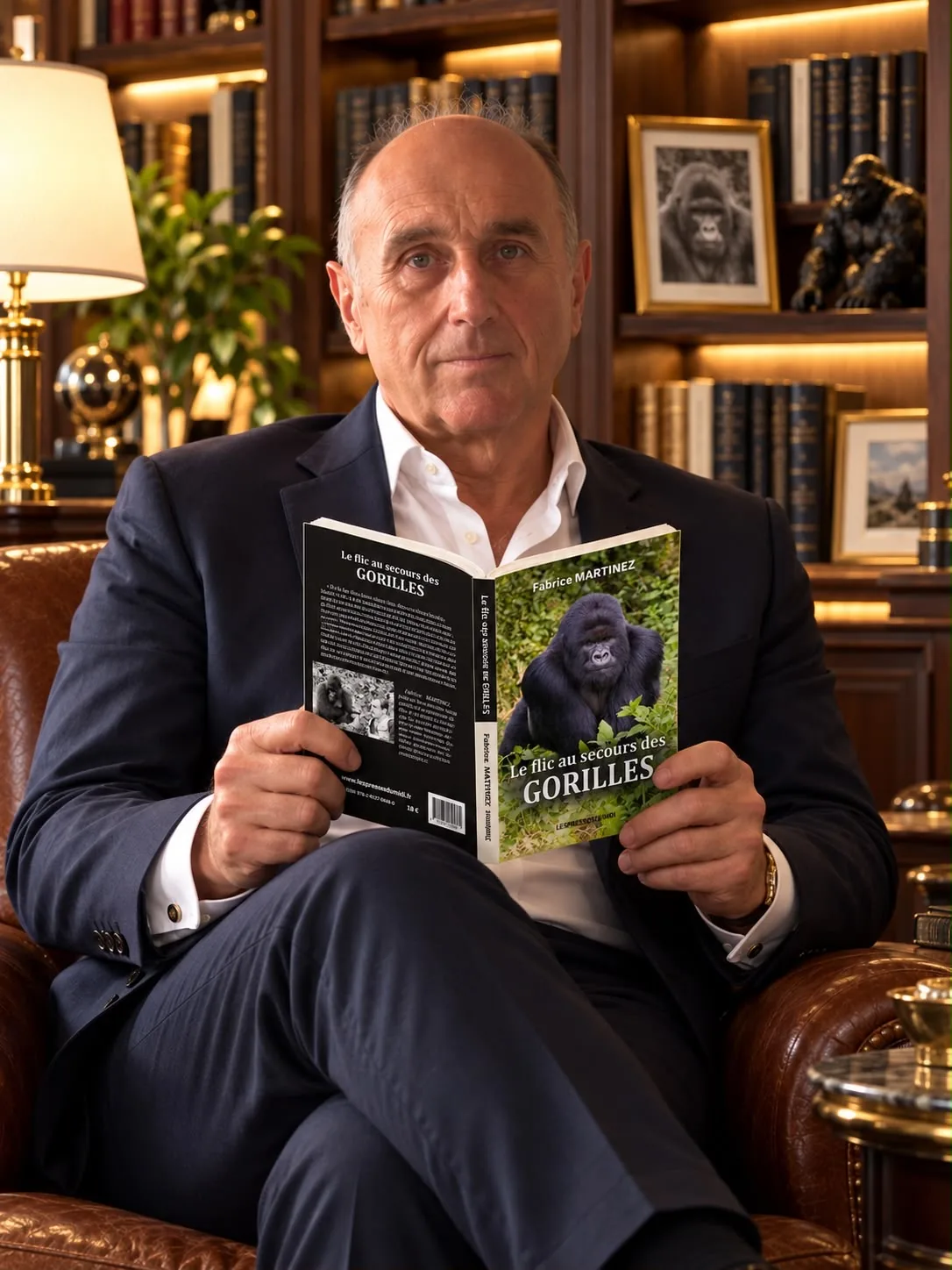
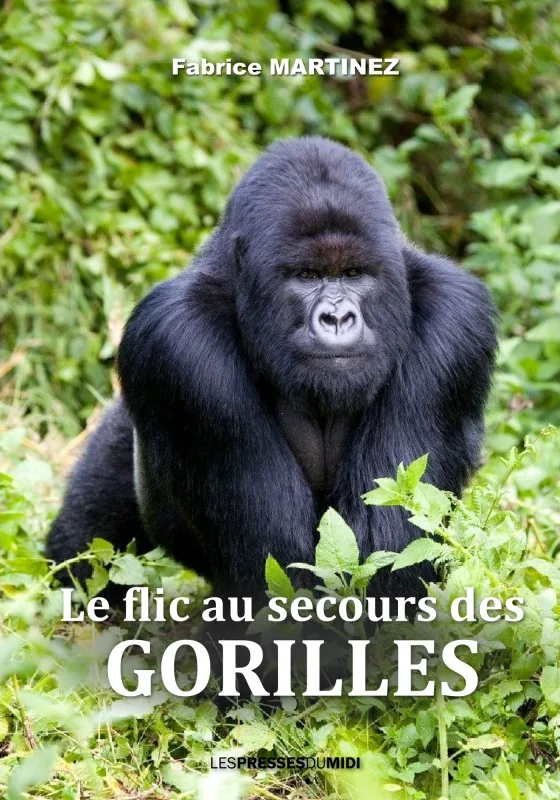
foreword by Brigitte Bardot
One day, when he was very young, Fabrice Martinez chose to become a police inspector and a protector of gorillas. For someone who, like him, loves risk and adventure, nature and all living things, and has a sense of duty and justice, these two callings naturally go together.
Fabrice Martinez, an exceptional policeman, gathers his memories as a cop (thirty-six years in police stations, from the Paris suburbs to the Ardèche and the Vaucluse) and takes the reader up the rocky slopes of Africa's high volcanoes, on the trail of the last mountain gorillas.
Le Flic au secours des gorilles (in French), Les Presses du Midi, 2017, 239 pages, €18. Foreword by Brigitte Bardot. Available from bookshops or from the publisher.
Where we work
Gorilla works in Rwanda to safeguard mountain gorillas, and also in the Congo, where it sponsors Help Congo's Conkouati sanctuary, which reintroduces orphaned chimpanzees into a strict nature reserve rich in wildlife (chimpanzees, lowland gorillas, forest elephants…).
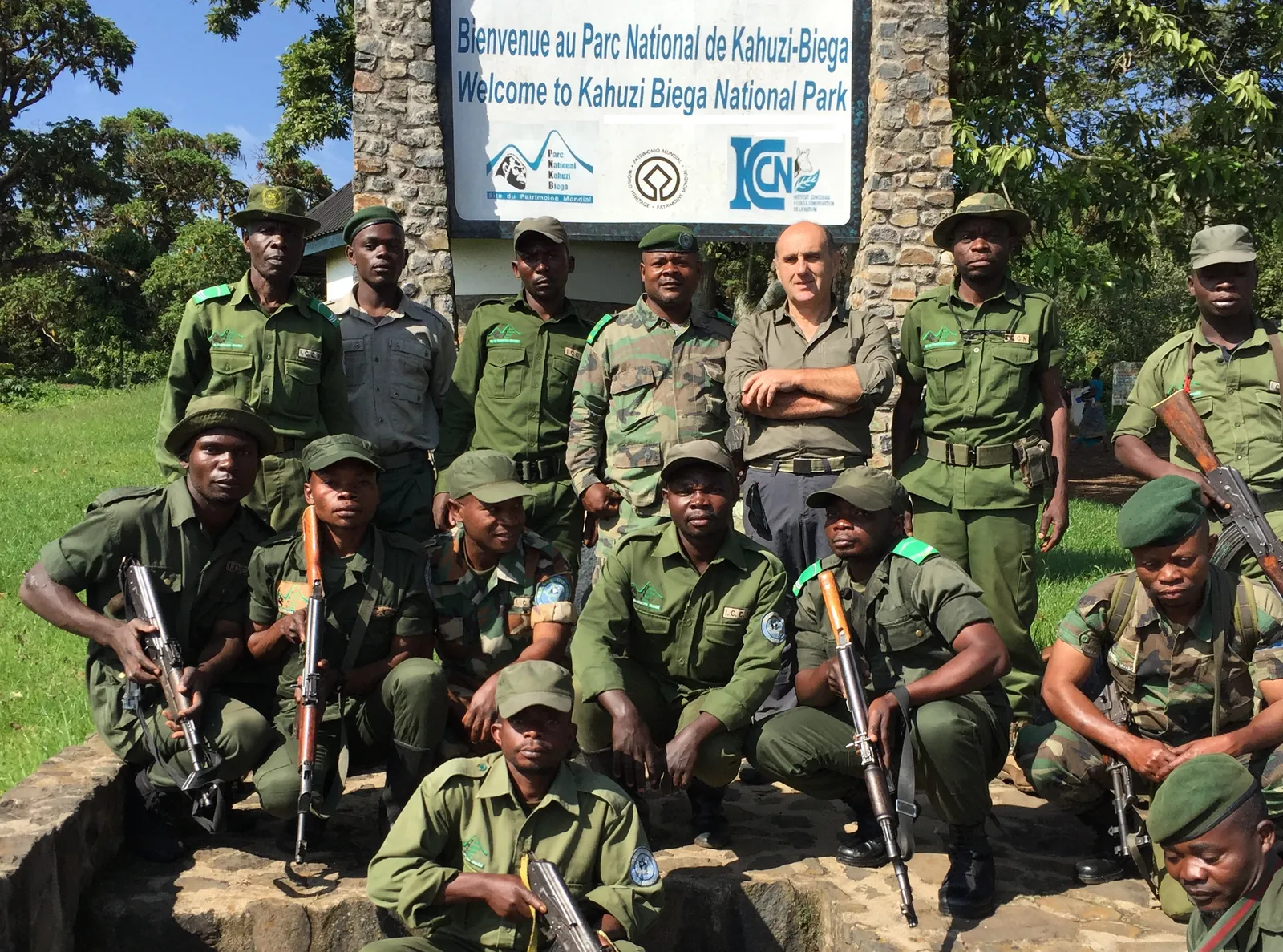
The association has committed to actively supporting Kahuzi-Biega National Park, in the Democratic Republic of the Congo, home to the last eastern lowland gorillas, or Grauer's gorillas, a subspecies endemic to the South Kivu region. Critically endangered, it has lost 77% of its population in just twenty years: fewer than 4,000 individuals are thought to remain today. It is the largest of all primates.
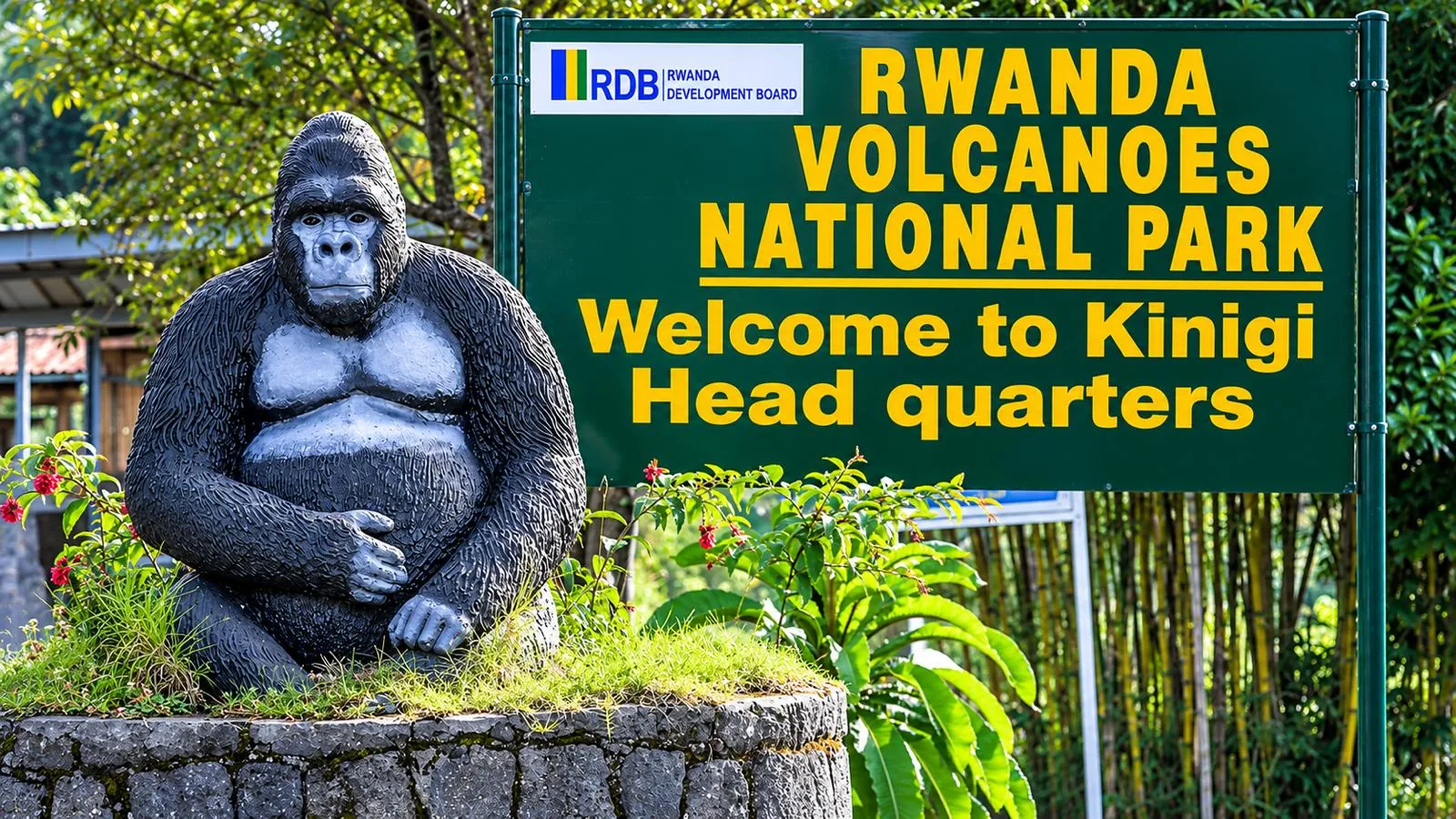
In Rwanda, the planned extension of Volcanoes National Park is attracting a great deal of attention. The park's area is set to grow by around 23% (adding 3,740 hectares to the current 16,000 hectares) in order to better protect biodiversity, reduce conflicts between gorillas by giving new space to the growing mountain gorilla population and, potentially, limit conflicts between people and wildlife around the protected area, with the creation of a buffer zone of around 6,620 hectares. The project will require the relocation and rehousing of the people living in the extension area. Gorilla wishes to join the efforts of the Rwandan government and help ensure the success of this operation, whose total cost is estimated at 255 million dollars.
How we work
Gorilla works without intermediaries. Its board is made up of volunteers and it has no employees. Its resources come exclusively from the membership fees and donations of its members and partners.